
INTRODUCTION
Oily skin can be frustrating to manage. Excess shine, enlarged pores, blackheads, and frequent breakouts are common concerns for people with oily skin. While natural oils help keep the skin moisturized and protected, too much oil production can lead to various skincare challenges.
The good news is that oily skin can be managed effectively with the right skincare habits and products. Understanding the best skincare tips for managing oily skin can help you reduce excess shine, prevent acne, and maintain a healthy complexion without stripping your skin of its natural moisture.
In this guide, you’ll learn practical skincare tips, recommended ingredients, common mistakes to avoid, and expert advice for keeping oily skin under control.
What Causes Oily Skin?
Oily skin occurs when the sebaceous glands produce excess sebum (oil). Several factors can contribute to increased oil production.
Common Causes of Oily Skin
- Genetics
- Hormonal changes
- Humid weather
- Stress
- Over-cleansing
- Using harsh skincare products
- Poor skincare habits
Understanding the cause of oily skin can help you choose the most effective skincare routine.
Why Proper Skincare Is Important for Oily Skin
Many people try to remove all oil from their skin, but this can actually make the problem worse. When the skin becomes overly dry, it may produce even more oil to compensate.
A proper skincare routine helps:
- Balance oil production
- Prevent clogged pores
- Reduce acne breakouts
- Improve skin texture
- Minimize excess shine
- Support a healthy skin barrier
Best Skincare Tips for Managing Oily Skin
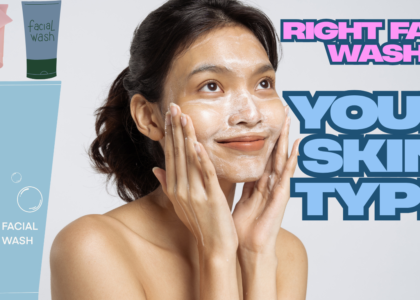
1. Cleanse Your Face Twice Daily
Using a gentle cleanser helps remove excess oil, dirt, and impurities without damaging the skin barrier.
Recommended Ingredients:
- Salicylic Acid
- Niacinamide
- Tea Tree Oil
Avoid:
- Harsh soaps
- Alcohol-based cleansers
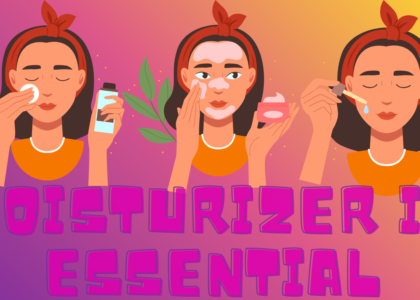
2. Use an Oil-Free Moisturizer
One of the biggest skincare myths is that oily skin does not need moisturizer.
In reality, moisturizing helps maintain skin balance and can prevent excess oil production.
Look for:
- Lightweight gel moisturizers
- Non-comedogenic formulas
- Oil-free products
3. Never Skip Sunscreen
Sun exposure can damage the skin and increase inflammation.
Choose:
- Broad-spectrum SPF 30 or higher
- Lightweight sunscreen
- Non-greasy formulas
4. Exfoliate Regularly
Exfoliation helps remove dead skin cells and prevent clogged pores.
Best Options:
- Salicylic Acid (BHA)
- Gentle chemical exfoliants
Frequency:
1–2 times per week.
Avoid excessive exfoliation, which may irritate the skin.
5. Use Products with Niacinamide
Niacinamide is one of the most effective ingredients for oily skin.
Benefits include:
- Reducing excess oil
- Improving skin texture
- Minimizing enlarged pores
- Supporting the skin barrier
6. Avoid Touching Your Face
Touching your face throughout the day transfers bacteria, dirt, and oil to your skin, increasing the risk of breakouts.
7. Choose Non-Comedogenic Products
Non-comedogenic products are designed not to clog pores.
These products help reduce:
- Blackheads
- Whiteheads
- Acne breakouts
Recommended Skincare Routine for Oily Skin
| Step | Product Type | Purpose |
|---|---|---|
| Morning | Gentle Cleanser | Remove overnight oil |
| Morning | Niacinamide Serum | Oil control |
| Morning | Lightweight Moisturizer | Hydration |
| Morning | Sunscreen SPF 30+ | UV protection |
| Night | Cleanser | Remove dirt and oil |
| Night | Treatment Serum | Target skin concerns |
| Night | Moisturizer | Repair and hydration |
Best Ingredients for Oily Skin
| Ingredient | Benefits |
|---|---|
| Salicylic Acid | Unclogs pores and reduces acne |
| Niacinamide | Controls oil production |
| Hyaluronic Acid | Provides lightweight hydration |
| Zinc | Helps reduce excess oil |
| Tea Tree Oil | Supports acne-prone skin |
Ingredients Oily Skin Should Avoid
| Ingredient | Reason |
|---|---|
| Heavy Oils | Can clog pores |
| Thick Creams | May increase greasiness |
| Harsh Alcohols | Can trigger more oil production |
| Fragrances | May irritate sensitive oily skin |
Pros and Cons of Oily Skin
Pros
Natural protection against dryness
Skin often appears more hydrated
Fine lines may develop later
Stronger moisture retention
Cons
Frequent shine
Enlarged pores
Higher risk of acne
Blackheads and whiteheads
Makeup may wear off faster
Common Mistakes People with Oily Skin Make
Over-Washing the Face
Excessive cleansing can increase oil production.
Skipping Moisturizer
Lack of hydration may trigger even more oil production.
Using Harsh Products
Strong cleansers can damage the skin barrier.
Ignoring Sunscreen
UV exposure can worsen skin problems and increase inflammation.
Using Too Many Products
Complicated routines may irritate the skin.
Expert Tips for Long-Term Oil Control
- Wash pillowcases regularly.
- Drink plenty of water.
- Maintain a healthy diet.
- Manage stress levels.
- Avoid picking at pimples.
- Stay consistent with your skincare routine.
Remember, consistency is more important than using expensive products.
Frequently Asked Questions (FAQs)
What are the best skincare tips for managing oily skin?
The best tips include cleansing twice daily, using oil-free moisturizers, wearing sunscreen, and choosing products with ingredients like niacinamide and salicylic acid.
Does oily skin need moisturizer?
Yes. Oily skin still needs hydration. A lightweight, oil-free moisturizer helps maintain skin balance.
Which ingredients are best for oily skin?
Niacinamide, salicylic acid, zinc, hyaluronic acid, and tea tree oil are among the most effective ingredients for oily skin.
How often should I wash oily skin?
Most skincare experts recommend washing oily skin twice daily—morning and night.
Can oily skin cause acne?
Yes. Excess oil can mix with dead skin cells and clog pores, leading to acne breakouts.
Is sunscreen necessary for oily skin?
Absolutely. Choose a lightweight, non-greasy sunscreen with SPF 30 or higher.
Conclusion
Following the best skincare tips for managing oily skin can help you achieve a healthier, more balanced complexion. While oily skin may require extra attention, the right skincare routine can reduce shine, prevent breakouts, and improve overall skin health.
Focus on gentle cleansing, proper hydration, sun protection, and ingredients that help regulate oil production. Most importantly, stay consistent with your routine. Small daily habits can make a significant difference in how your skin looks and feels over time.