Introduction
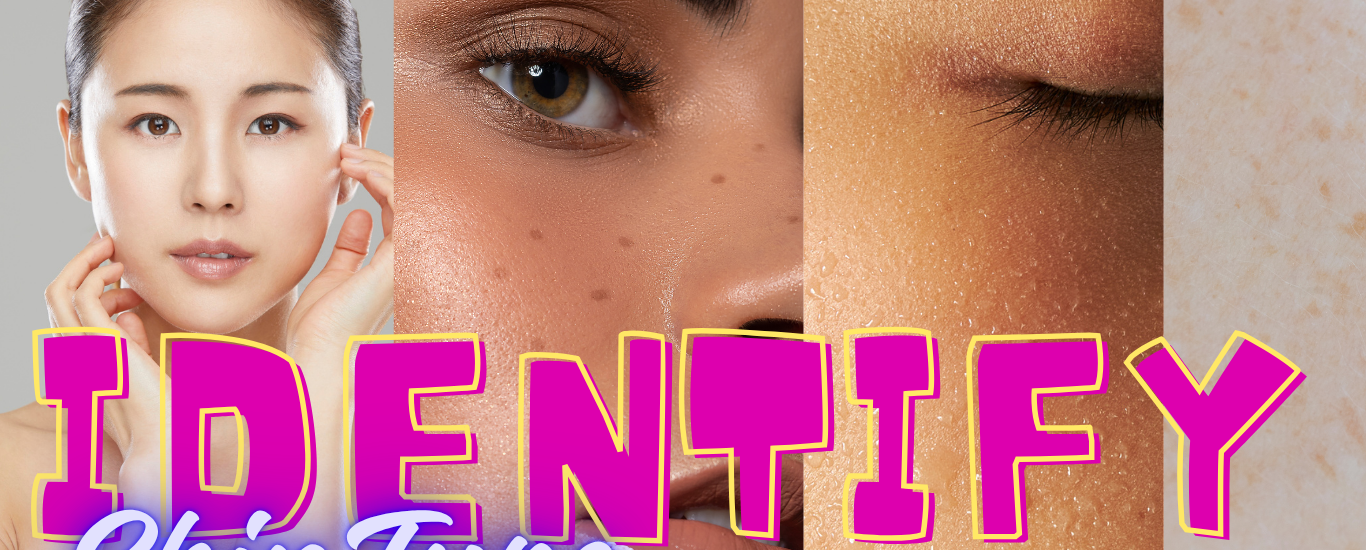
Understanding how to identify your skin type is the first step toward building an effective skincare routine. Many people spend money on skincare products without knowing whether they have oily, dry, combination, or sensitive skin. As a result, they often experience breakouts, irritation, dryness, or excessive oiliness.
Your skin type determines which products will work best for you and which ingredients you should avoid. Once you know your skin type, you can choose cleansers, moisturizers, serums, and sunscreens that support your skin’s unique needs.
In this guide, you’ll learn how to identify your skin type, recognize the characteristics of each skin type, and choose the right skincare approach for healthier skin.
Why Is It Important to Know Your Skin Type?
Knowing your skin type helps you:
- Select the right skincare products
- Prevent acne and irritation
- Maintain proper hydration
- Improve skin texture and appearance
- Avoid wasting money on unsuitable products
- Create a personalized skincare routine
When you understand your skin’s needs, you can achieve better and faster skincare results.
What Are the Main Skin Types?
Most people fall into one of four primary skin types:
- Oily Skin
- Dry Skin
- Combination Skin
- Sensitive Skin
Let’s explore each one in detail.
How to Identify Your Skin Type at Home
One of the easiest methods is the Bare Face Test.
Step 1: Cleanse Your Face
Wash your face with a gentle cleanser and pat it dry.
Step 2: Wait 30–60 Minutes
Do not apply any skincare products during this time.
Step 3: Observe Your Skin
Check how your skin feels and looks.
| Observation | Possible Skin Type |
|---|---|
| Shiny and greasy all over | Oily Skin |
| Tight, rough, or flaky | Dry Skin |
| Oily T-zone but dry cheeks | Combination Skin |
| Red, itchy, or irritated easily | Sensitive Skin |
This simple test can help you identify your skin type with reasonable accuracy.
Oily Skin: Signs and Characteristics
Oily skin produces excess sebum, which can make the face appear shiny throughout the day.
Common Signs of Oily Skin
- Excessive shine
- Enlarged pores
- Frequent acne breakouts
- Blackheads and whiteheads
- Makeup wears off quickly
Advantages of Oily Skin
✔ Natural moisture retention
✘ Increased acne risk
✘ Excess shine throughout the day
Dry Skin: Signs and Characteristics
Dry skin lacks sufficient moisture and natural oils.
Common Signs of Dry Skin
- Tightness after washing
- Flakiness or peeling
- Rough texture
- Dull appearance
- Increased sensitivity
Advantages of Dry Skin
✔ Smaller pores
✔ Less oily appearance
Disadvantages of Dry Skin
✘ Flaking and irritation
✘ Increased sensitivity
Combination Skin: Signs and Characteristics
Combination skin includes both oily and dry areas.
Common Signs of Combination Skin
- Oily forehead, nose, and chin (T-zone)
- Dry or normal cheeks
- Occasional breakouts
- Mixed skin concerns
Advantages of Combination Skin
✔ Balanced appearance in some areas
✔ Flexibility in skincare products
Disadvantages of Combination Skin
✘ Requires targeted skincare
✘ Different areas need different treatments
Sensitive Skin: Signs and Characteristics
Sensitive skin reacts easily to skincare products, weather changes, and environmental factors.
Common Signs of Sensitive Skin
- Redness
- Burning sensation
- Itching
- Irritation after using new products
- Frequent reactions
Advantages of Sensitive Skin
✔ Encourages careful skincare choices
✔ Users often become more aware of ingredients
Disadvantages of Sensitive Skin
Product reactions are common
Limited product options
Increased irritation risk
Skin Type Comparison Table
| Feature | Oily Skin | Dry Skin | Combination Skin | Sensitive Skin |
|---|---|---|---|---|
| Oil Production | High | Low | Mixed | Varies |
| Pore Size | Large | Small | Medium | Small to Medium |
| Acne Risk | High | Low | Moderate | Moderate |
| Sensitivity | Low to Moderate | Moderate | Moderate | High |
| Hydration Needs | Moderate | High | Balanced | Gentle Hydration |
Tips for Caring for Your Skin Type
Oily Skin
- Use oil-free products
- Choose lightweight moisturizers
- Avoid over-cleansing
Dry Skin
- Use hydrating cleansers
- Apply moisturizer regularly
- Avoid harsh ingredients
Combination Skin
- Balance hydration and oil control
- Use gentle products
For Sensitive Skin
- Choose fragrance-free formulas
- Perform patch tests before use
- Avoid strong exfoliants
Common Mistakes When Identifying Skin Type
Confusing Dehydrated Skin with Dry Skin
Dehydrated skin lacks water, while dry skin lacks oil.
Assuming Acne Means Oily Skin
Even dry and sensitive skin can develop acne.
Ignoring Seasonal Changes
Your skin type may appear different during summer and winter.
Using Too Many Products
Overusing skincare products can alter your skin’s natural condition.
Frequently Asked Questions (FAQs)
How can I identify my skin type at home?
You can perform the Bare Face Test by cleansing your skin, waiting 30–60 minutes, and observing how your skin behaves without products.
Can my skin type change over time?
Yes. Age, hormones, climate, lifestyle, and skincare habits can influence your skin type.
Is sensitive skin a skin type?
Yes. Sensitive skin is commonly recognized as a skin type characterized by frequent reactions and irritation.
Can I have both oily and sensitive skin?
Absolutely. Many people experience oily skin that is also sensitive to certain ingredients.
Why is knowing my skin type important?
Knowing your skin type helps you choose appropriate products and avoid ingredients that may cause irritation or breakouts.
What should I do after identifying my skin type?
Once you know your skin type, create a skincare routine using products specifically designed for your skin’s needs.
Conclusion
Learning how to identify your skin type is essential for achieving healthy, balanced skin. Whether you have oily, dry, combination, or sensitive skin, understanding your skin’s characteristics allows you to choose products that work effectively and avoid those that may cause problems.
Take the time to evaluate your skin carefully and adjust your skincare routine accordingly. The better you understand your skin, the easier it becomes to maintain a clear, healthy, and glowing complexion.